
Anatomy, Seizure & Sealing
What a Pin Connector Does
Hardline pin connectors join trunk sections or terminate cable into amp, tap, or passive ports. Unlike F-connectors, pin connectors use threaded bodies, positive mechanical stops, O-ring seals, and seizure mechanisms that clamp corrugated outer conductor for 360° shield continuity.
RF performance depends on concentric center conductor contact, full seizure bite, and proper dielectric compression at the stop face. The connector is a precision 75 Ω transition — impedance discontinuity here reflects energy and collects moisture.
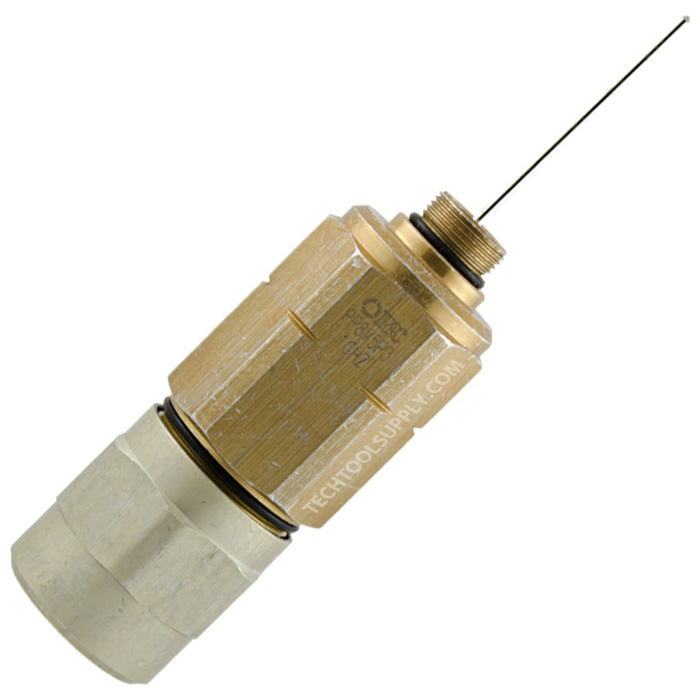
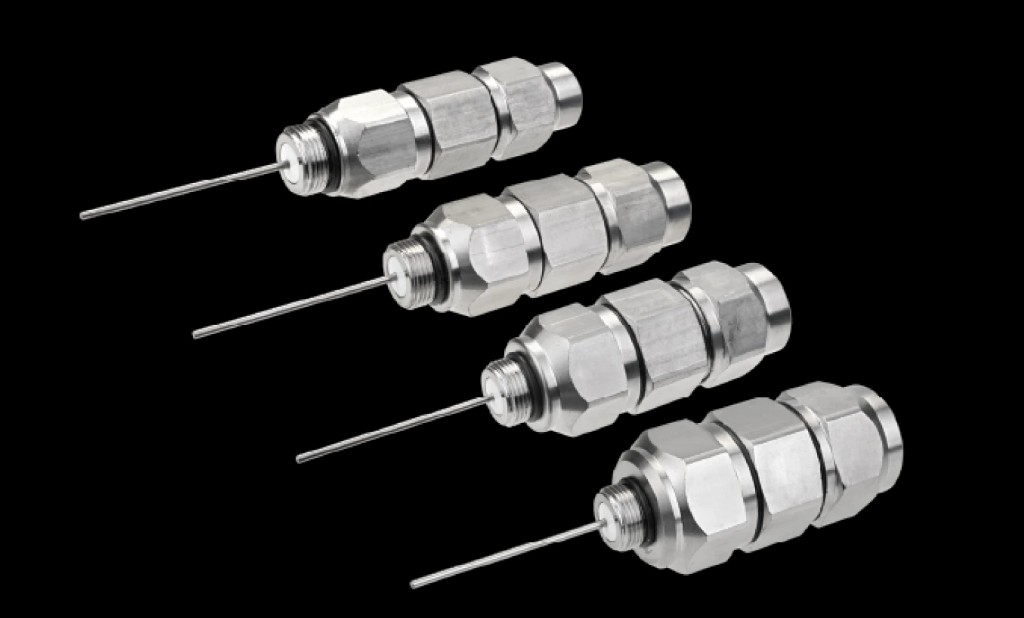
Component functions
- Center pin
- Mates conductors; must be straight, full length, fully seated
- Threads / body
- Draws halves together; must not cross-thread
- O-rings
- Primary moisture seal; replace if nicked, aged, or pinched
- Seizure ring
- Clamps outer conductor — provides RF shield bond
- Positive stop
- Limits dielectric compression — prevents over-tight crush
- Heat shrink
- Secondary environmental seal on inline transitions
O-Rings, Seizure & Positive Stop
O-rings seal the body against moisture at the jacket transition. They require clean grooves and proper lubricant if specified. Pinched O-rings from reversed hardware order fail within one season — inspect before install; carry fresh O-rings in sealed bags.
Seizure provides low-impedance shield bond — serrations must bite clean metal, not flood or oxide. Poor seizure = return discontinuity = ingress susceptibility. You should see uniform bite marks around the circumference.
Hand-tighten until positive stop is felt, then apply manufacturer torque with calibrated wrench. Under-torque: incomplete seizure and O-ring gap. Over-torque: stripped threads, cracked dielectric, deformed conductor.
Under-torque invites moisture; over-torque destroys threads and conductor. Use the manufacturer wrench and ft-lb value — not adjustable pliers or 'two-hand tight.'