
FBR Solutions
Modules
Company field curriculum for OSP techs on Spectrum high-split / DAA-RPHY plant. Start with what the project is and what FBR does, then safety and access, prints, hardline craft, actives, testing, and fiber literacy. Written quizzes support readiness; live-plant authorization stays with supervision and SOPs. New hires: start with What Is High-Split, then Basic Safety, then How to Read a Print.
Passives, Actives & High-Split
Taps, passives, line extenders, distribution amps/boosters, and high-split upgrade theory.
All modules
New hires start with What Is High-Split, then safety, then print reading.
5 modules
 1
1Passives, Actives & High-Split
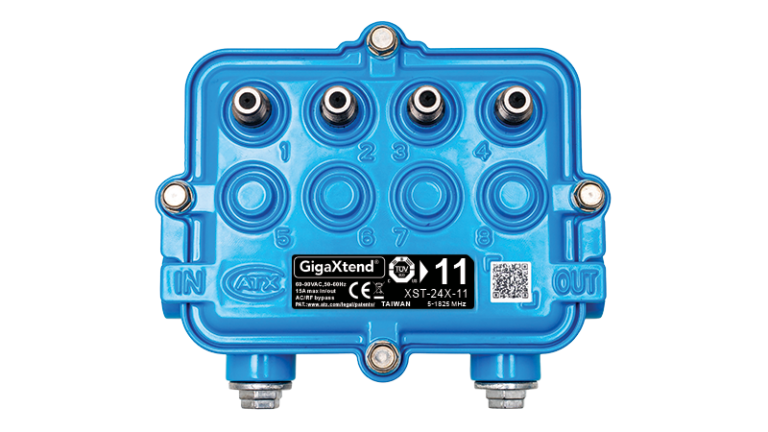
Directional Taps
Directional coupler theory applied to taps: through vs tap loss, value selection, cascade math intro, terminators, power passing, GigaXtend 5–1225 MHz bandwidth, and high-split upstream relevance.
18 min·2 pages·12 quiz QOpen →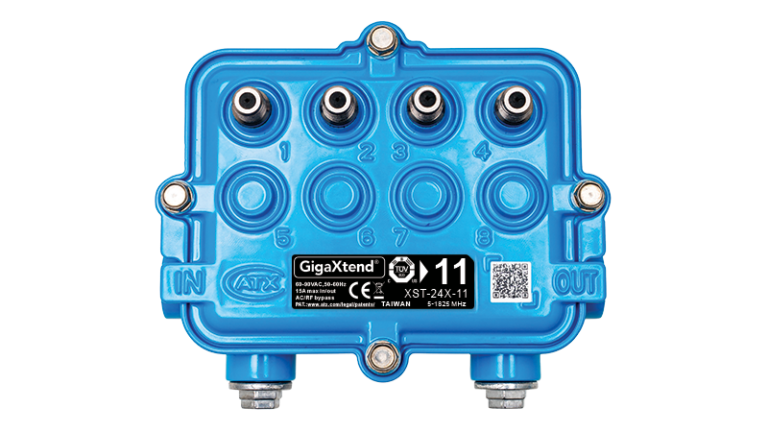 2
2Passives, Actives & High-Split
Passives — Splitters, DCs & Power Inserters
Trunk and distribution passives: 2-way and 3-way splitters, directional couplers, power inserters, equalizers as passives vs amplifier EQ, housing seals, and orientation discipline.
15 min·2 pages·12 quiz QOpen →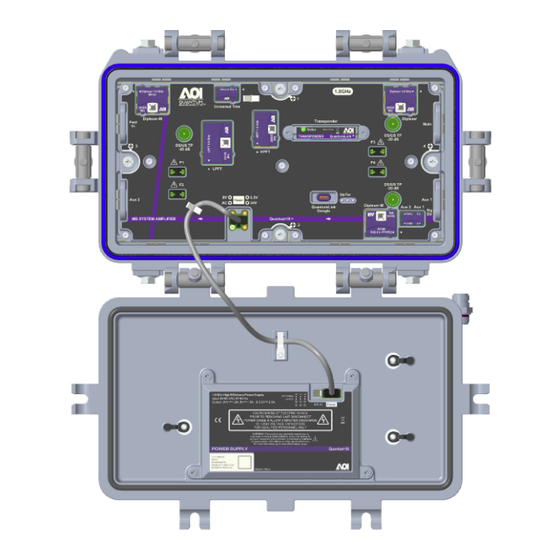 3
3Passives, Actives & High-Split
Line Extenders (LE) & AOI Gear
Line extender role in cascade, gain/tilt/noise figure at tech level, AOI QuantumLink internals overview, diplexers, −20 dB test points, lid power supply, boosters vs LE naming, pad calculator, AOI equipment video, and safe replace sequence.
20 min·2 pages·12 quiz QOpen →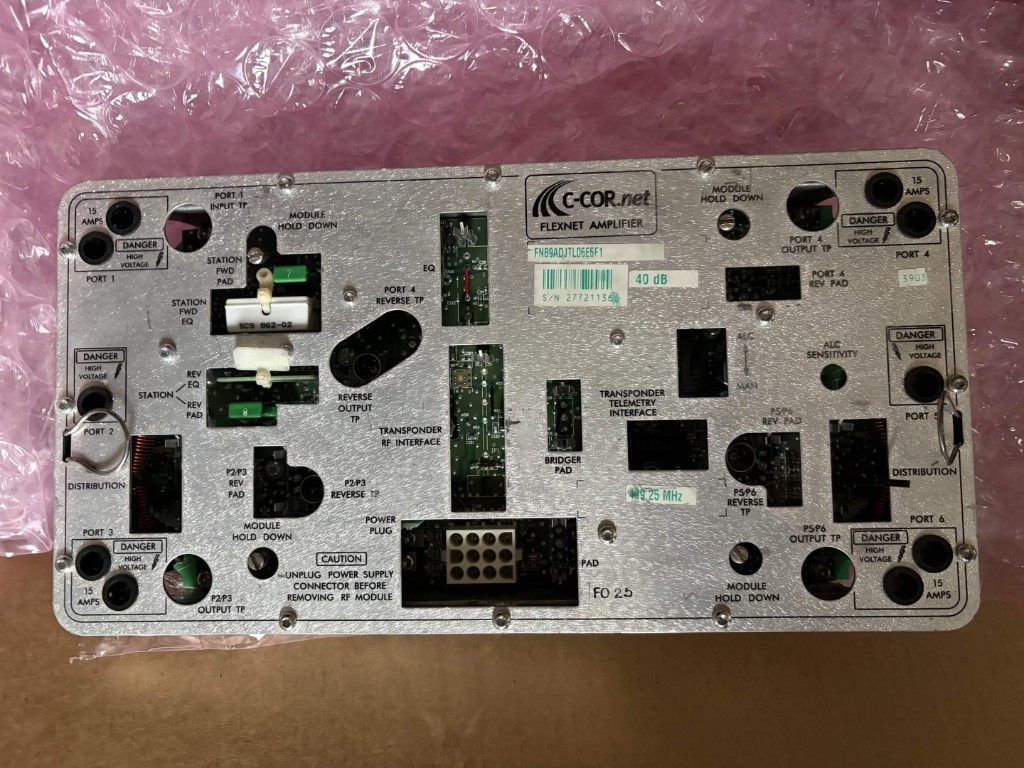 4
4Passives, Actives & High-Split
Mini Bridgers, Distribution Amps & Boosters
Bridger vs LE vs booster roles, multi-port outputs, legacy FlexNet recognition, when to deploy each type, ALC/MAN concepts, power doubling/hybrids overview, and safe replacement discipline.
18 min·2 pages·12 quiz QOpen → 5
5Passives, Actives & High-Split
High-Split Architecture & Field Deployment
Deep dive into Spectrum high-split frequency plans: classic 42/54 vs mid- and high-split classes, DOCSIS 3.1/4.0 drivers, symmetrical multi-gig goals, field BOM changes, ingress criticality, leakage compliance, and node vs amplifier work boundaries.
22 min·2 pages·12 quiz QOpen →